
Smartphones have become an inseparable part of modern life. What once began as a luxury device is now an essential tool for communication, entertainment, education, and even business. From bulky handsets with tiny screens in the early 2000s to sleek, AI-powered devices in 2025, the journey of smartphones reflects rapid technological progress.
Let’s take a closer look at the evolution of smartphones from 2000 to 2025 and how they reshaped the way we live.
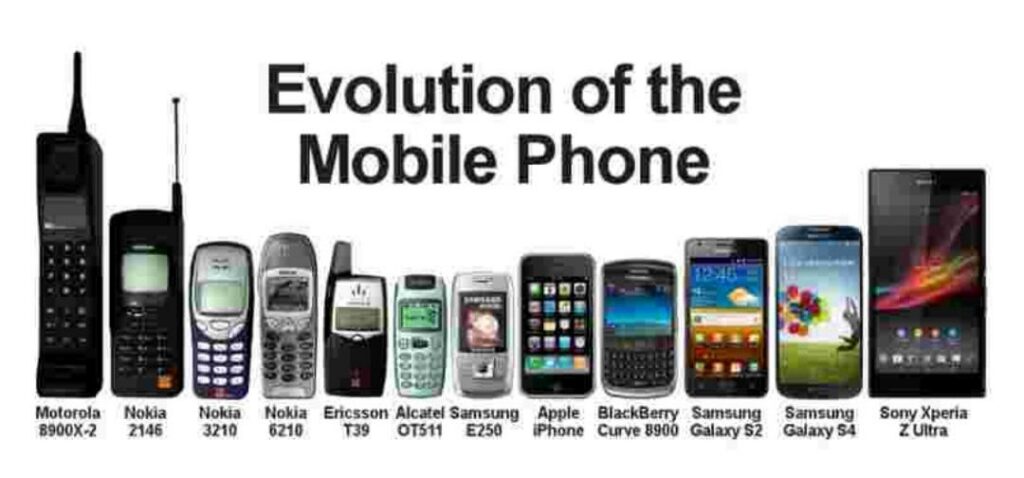
Smartphones in the Early 2000s
In the early 2000s, mobile phones were primarily used for calling and texting. Devices like Nokia 3310 and Motorola Razr became cultural icons. Phones had small monochrome displays, physical keypads, and very basic features like calculators and simple games (Snake, anyone?).
By the mid-2000s, companies like BlackBerry introduced email integration and QWERTY keyboards, making mobile devices attractive to professionals. This was the foundation for smartphones as we know them today.
The Rise of Touchscreens (2007–2010)
The launch of the Apple iPhone in 2007 was a turning point. It replaced physical keyboards with a large touchscreen and introduced the App Store, revolutionizing how people interacted with technology.
At the same time, Google’s Android OS emerged, offering an open ecosystem where multiple manufacturers like Samsung, HTC, and LG could innovate. The competition between iOS and Android shaped the smartphone industry for the next two decades.
Smartphones Become Everyday Essentials (2010–2015)
By the early 2010s, smartphones had moved beyond communication devices to become personal computers in your pocket. Features like GPS navigation, HD cameras, and social media apps changed daily life.
Key developments during this period:
- Introduction of 4G networks for faster internet.
- Growth of app-based businesses like Uber, Instagram, and WhatsApp.
- Cameras improving with every generation, replacing digital cameras for most people.
Bigger Screens and Smarter Devices (2015–2020)
Between 2015 and 2020, smartphones became more powerful and stylish. Manufacturers focused on larger screens, thinner bezels, and better performance.
Key trends included:
- The shift from LCD to OLED displays.
- Introduction of fingerprint scanners and face recognition for security.
- AI-powered virtual assistants like Siri, Google Assistant, and Alexa.
- Phones becoming essential for e-commerce, mobile banking, and video streaming.
The 5G and Foldable Phone Era (2020–2025)
The early 2020s brought two game-changing trends: 5G connectivity and foldable smartphones.
- 5G networks made downloading, streaming, and gaming much faster with lower latency. This boosted AR/VR apps, remote work, and real-time video calls.
- Foldable phones like the Samsung Galaxy Z Fold reintroduced the idea of versatility, offering both compact and tablet-like experiences.
- Camera technology reached DSLR-level quality with advanced zoom, night photography, and AI-powered editing tools.
Smartphones in 2025: Smarter Than Ever
Today in 2025, smartphones are far more than communication devices. They act as personal assistants, health trackers, workstations, and entertainment hubs. Some defining features of smartphones in 2025 include:
- AI-powered personalization that predicts user needs.
- Augmented Reality (AR) integration for gaming, shopping, and education.
- Sustainable materials and eco-friendly designs.
- Seamless connectivity with smart homes, wearable tech, and vehicles.
- Improved battery technology, including fast wireless charging and longer-lasting cells.
The Future of Smartphones Beyond 2025
As we look ahead, smartphones may evolve into something entirely new. With advancements in wearable devices, neural interfaces, and holographic displays, the smartphone as we know it might be replaced by even more immersive technologies.
What’s clear is that the smartphone’s journey from 2000 to 2025 shows how innovation can completely reshape human life in just two decades.
Conclusion
The evolution of smartphones from simple devices in the early 2000s to today’s AI-driven gadgets in 2025 is nothing short of remarkable. These devices have changed how we connect, work, and entertain ourselves. As technology continues to progress, the next chapter of smartphones will likely surprise us even more.
From Nokia bricks to foldable screens and AI-powered assistants, smartphones truly define the digital era. Also check Cybersecurity Tips: How to Stay Safe Online in 2025


One thought on “Evolution of Smartphones – Comprehensive Guide – 2025”